Media kit
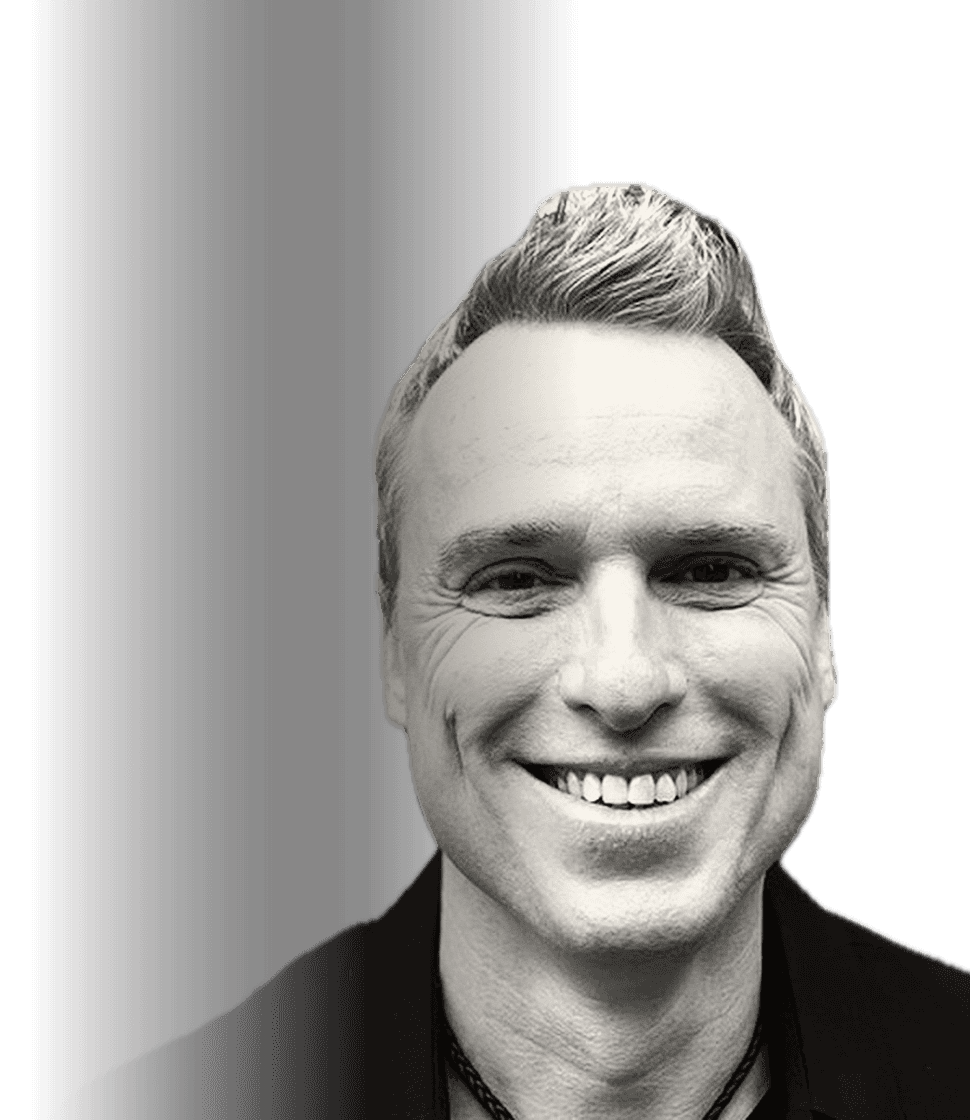
Cameron Burgess
Writer · Speaker · Systems Entrepreneur

In one paragraph
Written to be quoted without editing.
Cameron Burgess has spent more than thirty years working alongside people trying to change something that matters — across 45 countries, from micro-entrepreneurs in frontier markets to the Gates Foundation, GAVI, WIPO, SDC and Oxfam. His argument is that impact organisations rarely fail for want of passion or intelligence. They fail by design: responsibility concentrates in one or two people, and the organisation quietly becomes dependent on those people’s capacity to absorb whatever the work throws at it. He works on the structure instead — how decisions, accountability and money actually move — so that delivery stops resting on anyone’s willingness to carry it alone.
Interview topics
Three angles. Take whichever fits your audience.
For leaders and leadership teams
The organisation you built to do the work is now the thing slowing it down. How an organisation comes to run on what its people are willing to absorb, why hiring rarely fixes it, and what changes when delivery stops depending on that.
For funders, foundations and institutions
The sector funds the design fault, then diagnoses the burnout. What twelve- and eighteen-month grant cycles do to organisational design, why capacity investment reads as overhead, and what a funder can change unilaterally without waiting for the sector to reform.
For systems, technology and governance audiences
Neutral facilitation protects whatever's already in the room. Cameron’s practice is deliberately non-neutral. When consensus-building preserves dysfunction, when it is the facilitator’s job to name what everyone can see, and what it costs to do that in a room with power in it.
Suggested questions
Steal these, ignore them, or use them as a starting point.
You say impact organisations fail by design rather than by effort. What does that look like from the inside, before anyone notices?
What’s the difference between an organisation that depends on its founder and one that’s merely led by them?
You’ve worked in 45 countries. What travels, and what doesn’t?
Why is “we just need to hire someone” almost always the wrong answer?
You describe your facilitation as non-neutral. What does neutrality actually protect?
Funders say they want resilient organisations and then fund twelve-month projects. How do you talk to a funder about that?
What’s the most expensive thing a well-meaning board does?
You raised money for other people’s missions for three decades. What did that teach you about your own?
What do you say to someone who believes the work is too urgent to stop and redesign?
What have you got wrong, and what did it cost?
The record
500+ · impact innovators
45 · countries
30+ · years in the field
Commissioned by the Gates Foundation, GAVI, WIPO and SDC. Further clients and collaborators include the Rockefeller Foundation, Bertelsmann Stiftung, GIZ, Oxfam, Mercy Corps, RMIT, The Big Issue, OzHarvest and Zebras Unite.
Selected sessions: SXSW · Techfestival Copenhagen · Bretton Woods 75 · SOCAP Global · World Water Week · Vested Summit.
Biography
Short — 55 words
Cameron Burgess is a systems strategist who works on the structural causes of organisational fragility in the impact sector. Over more than thirty years and 45 countries he has worked with leaders, funders and institutions including the Gates Foundation, GAVI, WIPO and SDC. He’s an Australian, and is based in Pau, in the French Pyrenees.
Long — 170 words
Cameron Burgess is a systems strategist who fixes the structural problems that make impact organisations fragile — the ones that look like personnel issues and aren’t.
For more than thirty years he has worked across 45 countries with micro-entrepreneurs in frontier and emerging markets, international foundations and multi-stakeholder initiatives, including the Gates Foundation, GAVI, WIPO, SDC, the Rockefeller and Bertelsmann Foundations, and NGOs including Oxfam and Mercy Corps. His written work — From Billions to Trillions, Impact Platforms, Project 1800 — has shaped how funders and institutions think about mobilising capital at scale.
His approach is deliberately non-neutral. Where conventional facilitation seeks consensus, Cameron’s practice surfaces the conflict that consensus is avoiding, on the grounds that unnamed disagreement is what most often stalls a mission. Compassionate, direct, and unsentimental about what actually works.
He’s a co-founder and CEO at Armillaria, co-founder and Executive Director at Holo Ventures, and writes at uncompromise.com. He lives in Pau, in the foothills of the French Pyrenees, and travels as far and as long as the work requires.
Photography
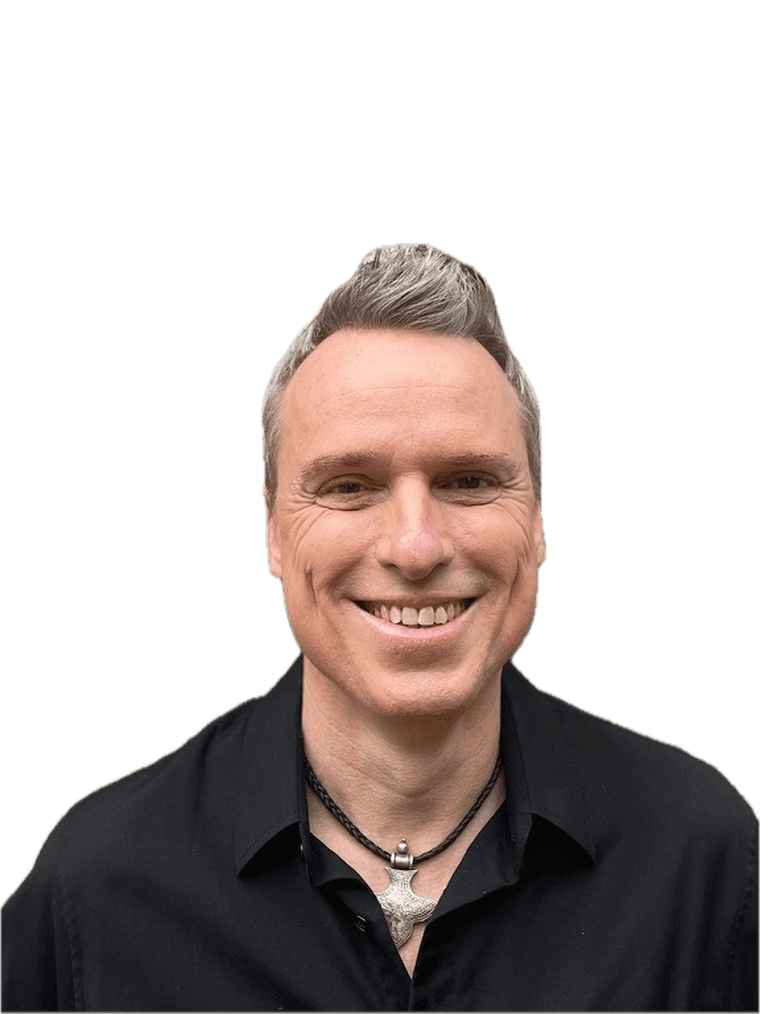
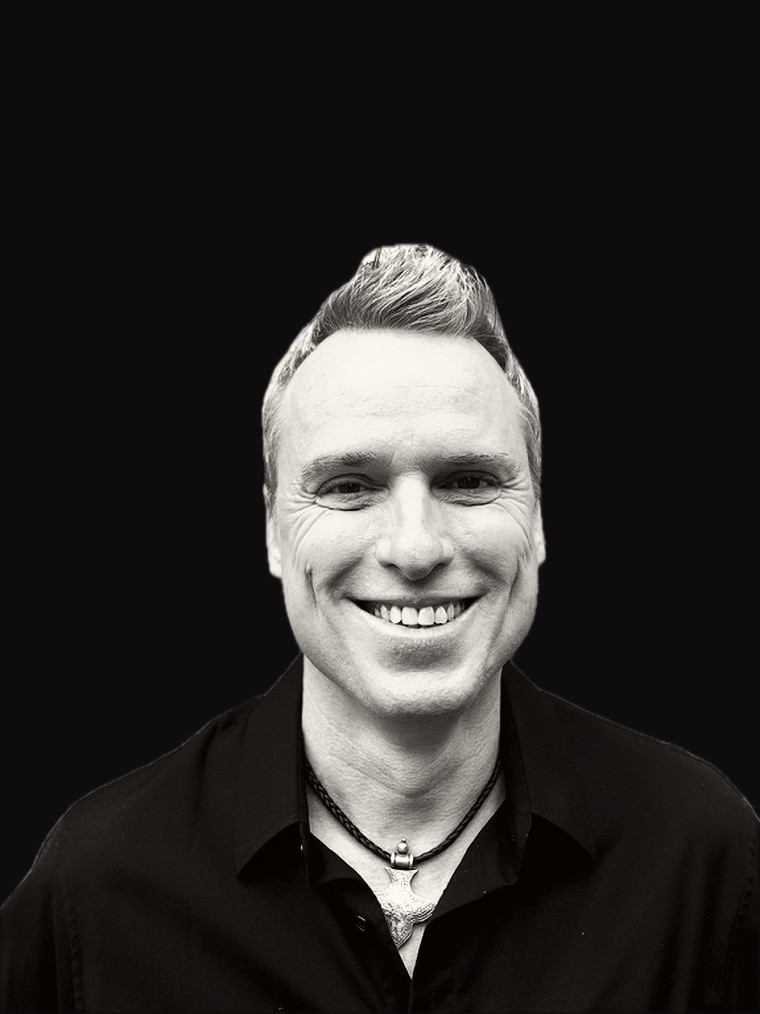
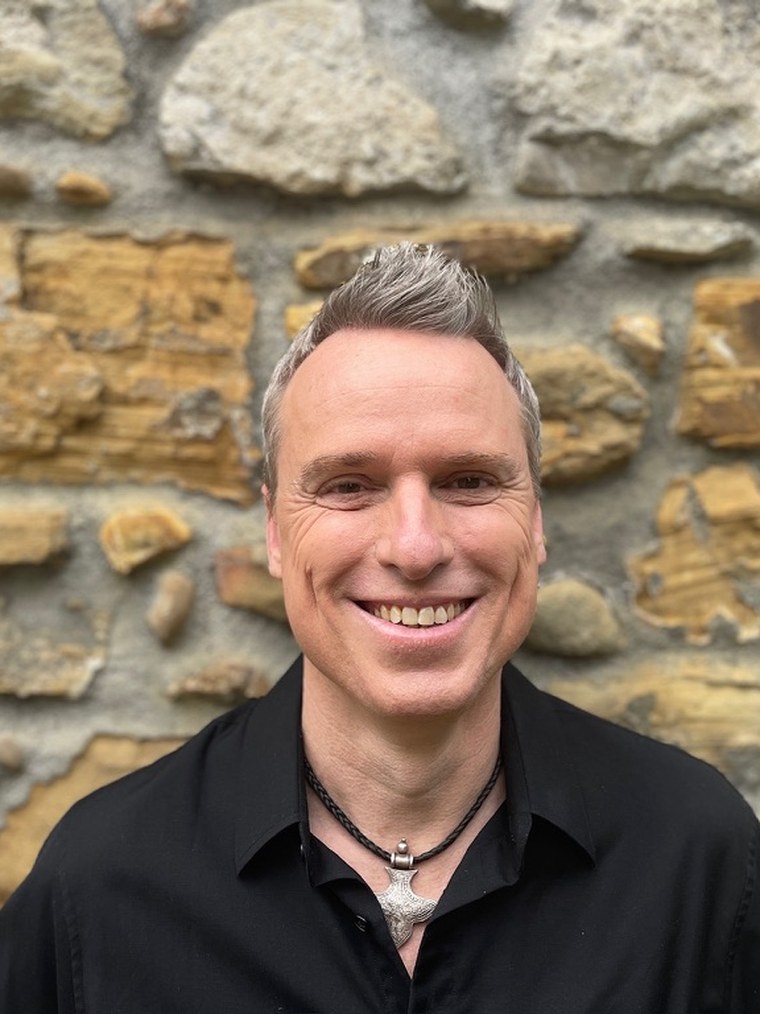
Three files. No permission needed.
Use any of these without asking. Please don’t crop the face out of frame or run filters over them. If you need something else — a horizontal, a different crop, or print resolution — ask and it will be shot.

For producers
Based in Pau, France — Central European Time.
Remote — studio-quality audio & video, wired fibre connection.
In person — will travel; comfortable with long-haul and short notice.
Formats — podcast and broadcast interviews, keynotes, panels, board sessions, workshops.
Not neutral — if you want someone to keep the peace, he’s definitely the wrong guest.